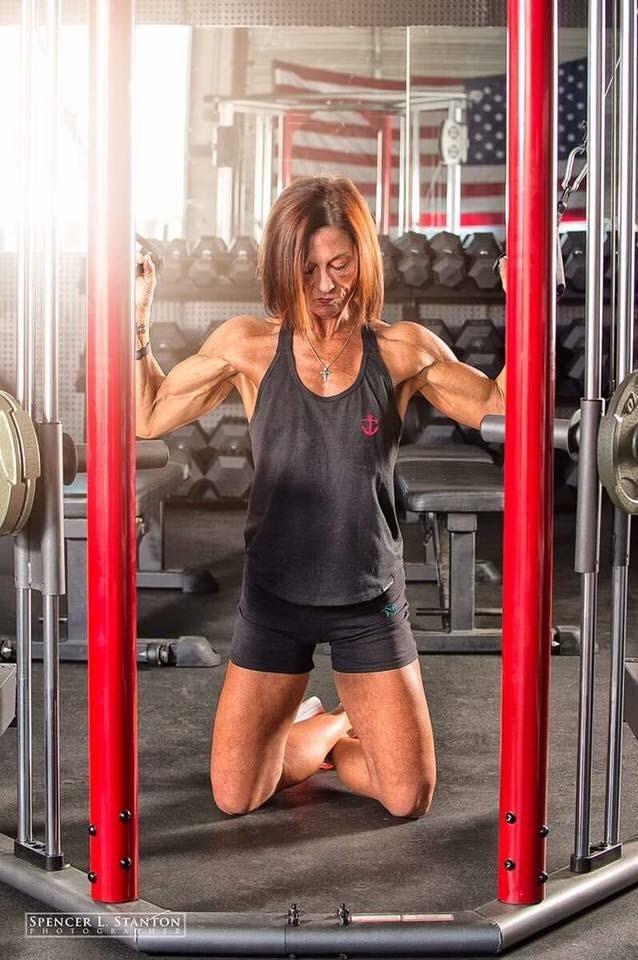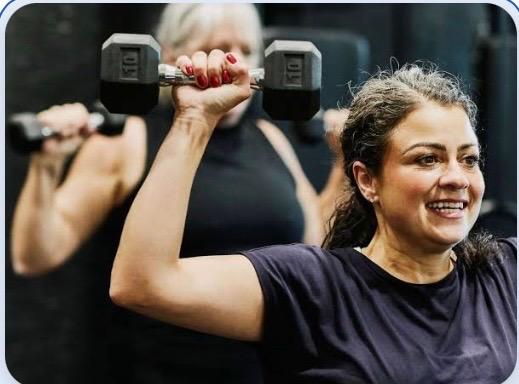
If you want to live longer, stay independent, and feel strong as you age, building and maintaining muscle is one of the best investments you can make in your future health. Strength training isn't just about looking fit, lifting heavier weights, or building an impressive physique. It's about building a body that can continue to function well for decades.
7 Reasons Muscle Matters for Longevity
1. Muscle helps preserve independence Strong legs, hips, back, and core help you climb stairs, get up from the floor, carry groceries, and recover your balance. Preserving strength makes everyday life easier and reduces the risk of losing independence as you age. 2. It supports healthier aging and is associated with longer life Research consistently links greater muscle strength with lower mortality risk. Grip strength and lower-body strength are useful indicators of overall health and physical resilience. This doesn't prove that muscle alone causes a longer life, but it is a powerful marker of healthy aging. 3. Muscle improves blood sugar regulation Skeletal muscle is a major site of glucose disposal. When you contract your muscles during exercise, they take up glucose from your bloodstream. Maintaining muscle mass and training regularly can improve insulin sensitivity and help with blood sugar management. 4. It helps protect bones Resistance training places mechanical stress on bones, which can help maintain or improve bone mineral density. Combined with appropriate nutrition and weight-bearing activity, it is an important strategy for reducing age-related bone loss and supporting fracture prevention. 5. It helps prevent age-related muscle loss Age-related muscle loss, known as sarcopenia, can lead to weakness, slower movement, and increased vulnerability during illness or injury. Strength training provides the stimulus your body needs to preserve and build muscle, even later in life. 6. It builds physical resilience Muscle strength and functional capacity give you more reserve when you face surgery, illness, injury, or periods of inactivity. You cannot prevent every setback, but maintaining strength can improve your ability to tolerate and recover from physical challenges. 7. It supports quality of life Being strong can make it easier to travel, play with grandchildren, enjoy hobbies, maintain mobility, and continue doing the activities you love. Longevity is not simply about adding years to your life; it is about preserving the ability to enjoy those years.
Why This Becomes Even More Important After 40
As we age, we naturally become more vulnerable to losing muscle, strength, bone density, and physical capacity. Hormonal changes, inactivity, inadequate protein intake, and illness can accelerate those losses. The good news? Your body can still adapt to resistance training as you get older. You can build strength and muscle well into your 50s, 60s, 70s, and beyond. For women over 40, the goal should not simply be to weigh less. It should be to maintain a strong, capable body with enough muscle to support long-term health.
How to Train for Longevity
• Strength train 2–3+ days per week: Train major muscle groups with challenging resistance and gradually increase weight, repetitions, or training volume as appropriate. • Eat enough protein and calories: Protein supplies the building blocks for muscle repair. For healthy adults who strength train, roughly 1.2–1.6 grams of protein per kilogram of body weight daily is a common evidence-based target, adjusted for individual needs and medical conditions. • Combine lifting with cardiovascular exercise: Walking, cycling, swimming, or other aerobic activities complement resistance training by supporting cardiovascular fitness and overall health. • Recover, sleep, and stay consistent: Muscle growth happens through the combination of training, nutrition, and recovery—not from continually pushing harder without adequate rest. One important distinction: lifting heavier is not the only measure of success. Improving balance, getting up from a chair more easily, maintaining walking speed, and preserving strength relative to your body weight are valuable longevity outcomes, too.
The Bottom Line
Cardio helps train your heart and lungs. Strength training helps preserve the muscular foundation that allows you to keep living actively. Both matter.
Want a plan built around your body, your goals, and your life?
Let's Chat