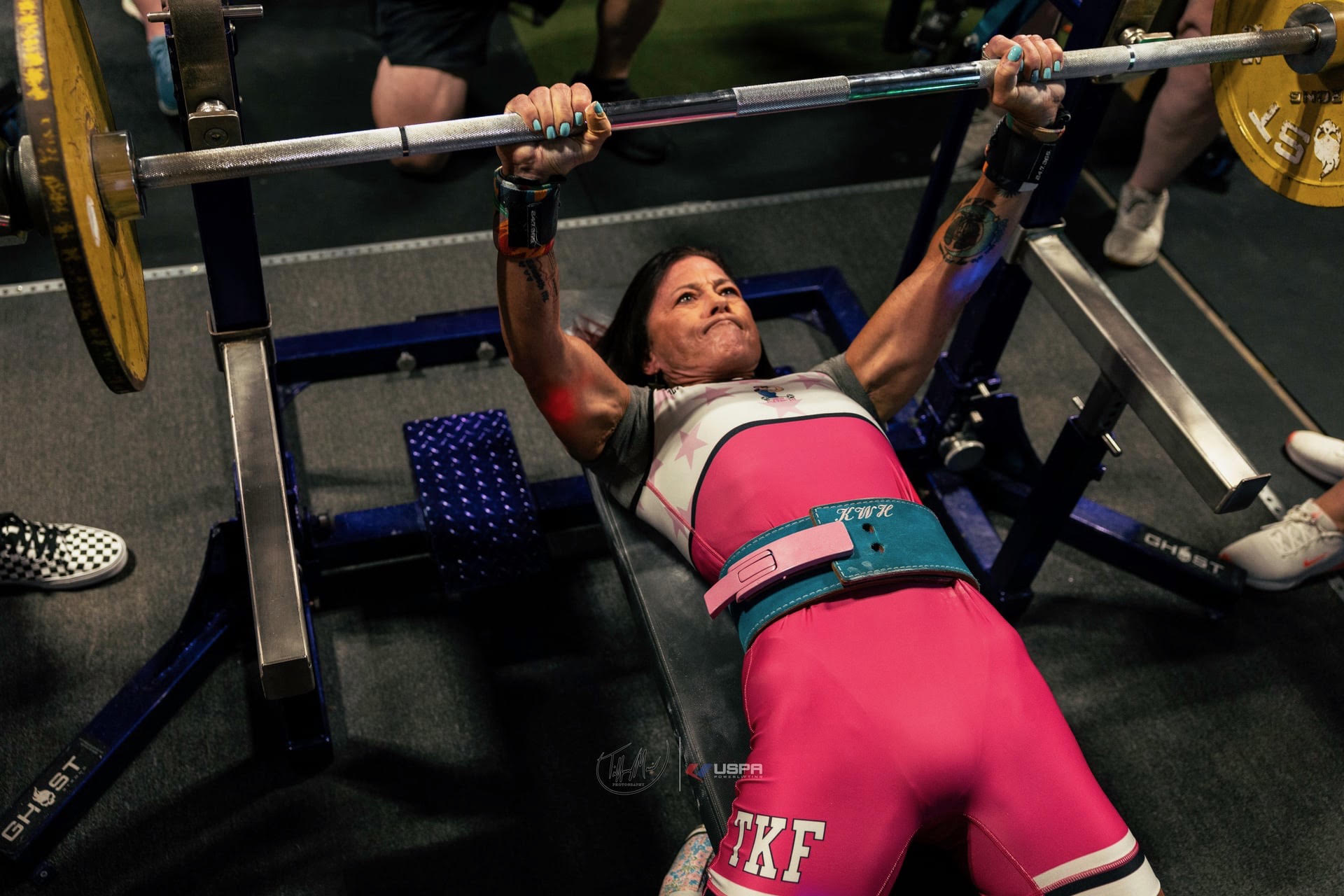
If there is one fundamental truth in strength and conditioning, it's this: your body will only adapt when given a reason to. Progressive overload is the principle of gradually making your workouts more challenging over time so your body has a reason to adapt—getting stronger, building muscle, or improving endurance.
What Progressive Overload Looks Like in Practice
Many people think progressive overload only means piling more weight onto the barbell. While adding weight is one way, it is far from the only method. For example, if you bench press 60 kg (or 135 lbs) for 8 reps, you might progress over the following weeks by increasing one or more of these variables:
The 5 Key Ways to Overload
1. Weight: 60 kg → 62.5 kg (adding load when reps are mastered) 2. Reps: 8 → 9 → 10 reps with the exact same weight 3. Sets: 3 working sets → 4 working sets for added volume 4. Range of Motion & Control: executing higher-quality, slower, and fully controlled reps 5. Difficulty & Variation: choosing a mechanically harder variation or pausing at the bottom
You Don't Need to Increase Every Single Workout
A common mistake is believing you have to set a personal record every time you step foot in the gym. You don't need to increase something every workout! Progress naturally slows as you become more trained. What matters is the trend: your training demands should trend upward over weeks and months while maintaining crisp technique and recovering adequately.
Form First, Always
Adding weight to sloppy form isn't progressive overload—it's an invitation for injury. Before you earn the right to add pounds to the bar, you must own the movement pattern. Once your technique is locked in, small, disciplined progressions will compound into life-changing strength.
Want a plan built around your body, your goals, and your life?
Let's Chat